
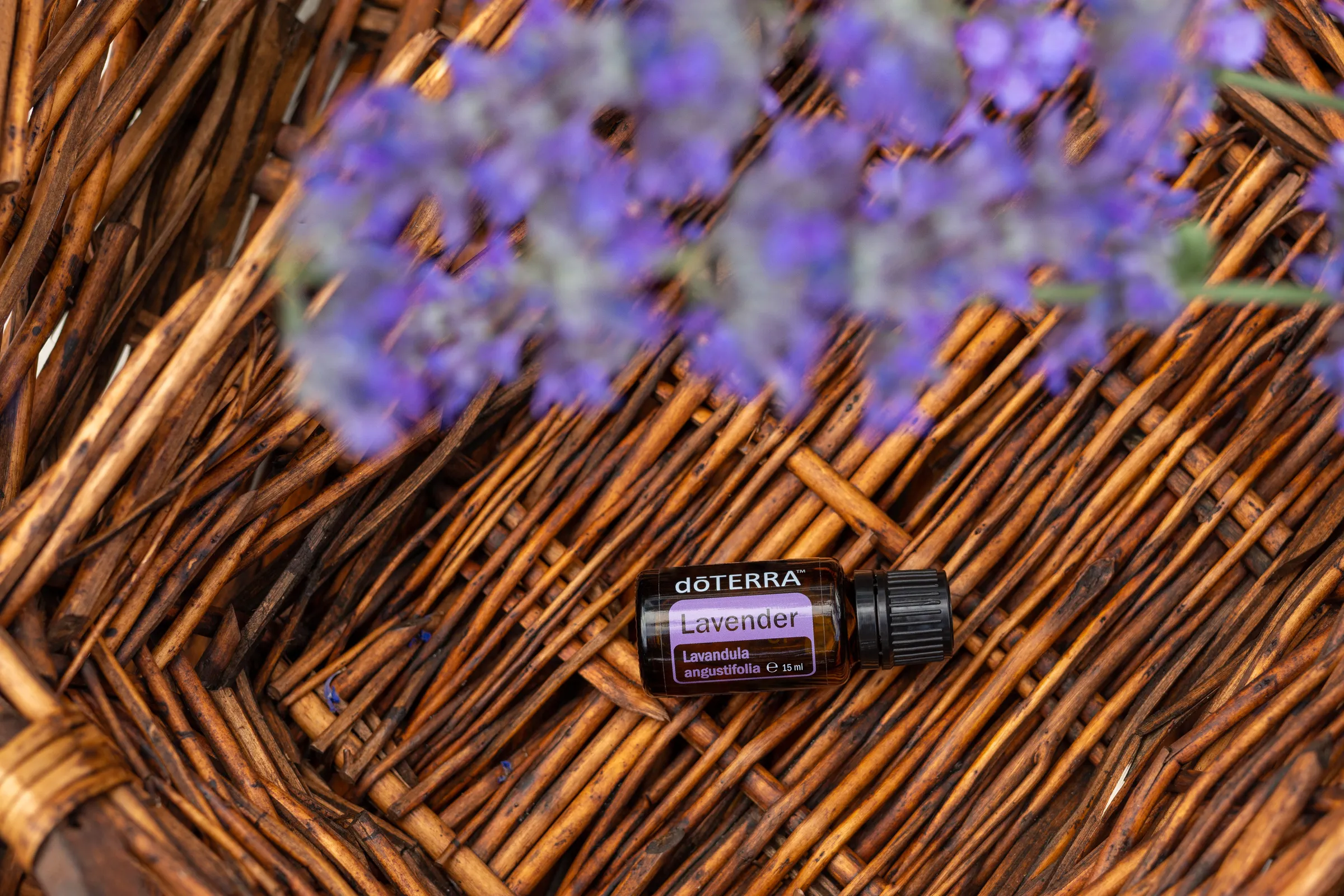
What lavender oil is
Lavender oil from true lavender (Lavandula angustifolia) is usually obtained from the flower spikes by steam distillation. The scent is floral, lightly herbal and sweet. Linalool and linalyl acetate are among its main constituents. The composition varies with variety, place of cultivation and harvest year, so different lavender oils can smell slightly different. A short product sheet is here: Lavender — oil guide.
What people use it for
Lavender has long been associated with winding down. In practice it appears most often:
- in an evening ritual — a diffuser an hour before bed, a few drops on the edge of the pillowcase,
- in homemade cosmetics — diluted in a lotion or body oil,
- in the bedroom and at the desk as a scent that “closes” the working day,
- in fabric care — a drop on a cotton ball in the wardrobe.
We don't promise that lavender treats insomnia, anxiety or pain. Institutions such as NCCIH describe research on aromatherapy as limited and of mixed quality. A scent can still make a ritual more pleasant, and a regular ritual can help — more in essential oils for better sleep.
How to use it — step by step
Aromatically
3–5 drops in a standard diffuser, 30–60 minutes, in a ventilated room. There's no need to run it all night.
On the skin — diluted only
| Carrier | 1% | 2% |
|---|---|---|
| 5 ml (teaspoon) | 1 drop | 2 drops |
| 10 ml (roll-on) | 2 drops | 4 drops |
| 30 ml | 6 drops | 12 drops |
We assume about 20 drops per ml. Always patch-test on the forearm and wait 24 hours. General rules are in how to use essential oils safely.
Pillow
One drop on the edge of the pillowcase — not on facial skin and not on the part of the pillow your face rests on.
An evening routine with lavender (15–20 minutes)
- Dim the lights and silence notifications.
- Run a diffuser with 3–4 drops of lavender.
- Stretch for a few minutes or take a warm shower.
- Write down three things that went well.
- Switch off the diffuser before sleep or set a timer.
More ideas: an evening ritual with scent.
Lavender, lavandin and “lavender scent” — how not to get confused
True lavender (Lavandula angustifolia) and lavandin (Lavandula × intermedia, a hybrid) are different plants. Lavandin usually smells sharper and more camphoraceous. Look for the full botanical name on the label. A “fragrance oil” is something different from an essential oil — it is usually synthetic and made only to scent a space. We explain the difference in what are essential oils.
A week with lavender: ideas
- Monday: diffuser in the evening, 3 drops.
- Tuesday: a drop on the edge of the pillowcase.
- Wednesday: a 1% roll-on (2 drops per 10 ml carrier) on the wrists — after a patch test.
- Thursday: a breath from cupped hands after a stressful workday.
- Friday: a bath — a few drops dispersed first in a spoonful of carrier or milk.
- Weekend: a drop on a cotton ball in the wardrobe.
Remember breaks: you don't have to use lavender every day, and your nose sometimes “gets used to” a scent.
Blending with other scents
Lavender goes well with citrus (e.g. Wild Orange), with resinous Frankincense and with woody notes. For your first attempts begin with one oil, then add a second. Ready-made blends, such as Serenity, make it easy to start but have their own precautions — check the label.
Precautions
- Skin: in sensitive people lavender can irritate or sensitise. Always dilute and patch-test.
- By mouth: we don't recommend it. The Tisserand Institute advises against taking oils by mouth without a practitioner.
- Pregnancy and breastfeeding, chronic conditions, medication: ask your doctor.
- Children: only very low dilutions and after advice — see essential oils and children.
- Pets: cats and dogs can be sensitive. Ventilate the room, don't apply oils to the coat and let the animal leave the room.
- Storage: tightly closed, cool, in a dark bottle, away from children.
Why quality matters
Oils sold as “lavender” are sometimes blends, diluted or scented. That's why it's worth choosing products with documented batch testing and a clear botanical name. We explain this in what makes CPTG different.
Myths about lavender
- “Lavender is safe for everyone.” No — it can sensitise, and cats can be sensitive.
- “Lavender replaces sleeping or calming medication.” No, and don't stop medication without your doctor's approval.
- “The more expensive the oil, the better.” Price is no guarantee — check the botanical name and batch documentation.