
Start with “why?”
Before you buy anything, ask yourself: do you want to improve the atmosphere at home, build an evening ritual, have a fresh scent at your desk, or simply explore this world? Your goal will help you choose oils and avoid buying “just in case”.
What aromatherapy is — in two sentences
It's using scent and essential oils to make a day more pleasant, to wind down or to freshen a space. It isn't a method of treatment — if you have health problems, see a doctor. More: what are essential oils.
What you really need to start
- A diffuser — simple, with a timer and automatic shut-off. How to choose: diffuser guide.
- 2–5 oils, e.g. Lavender (evening), Wild Orange or Lemon (morning), Peppermint (daytime), Frankincense (quiet).
- A carrier oil, if you plan to use oils on the skin.
- A notebook — brief notes on how you react to scents.
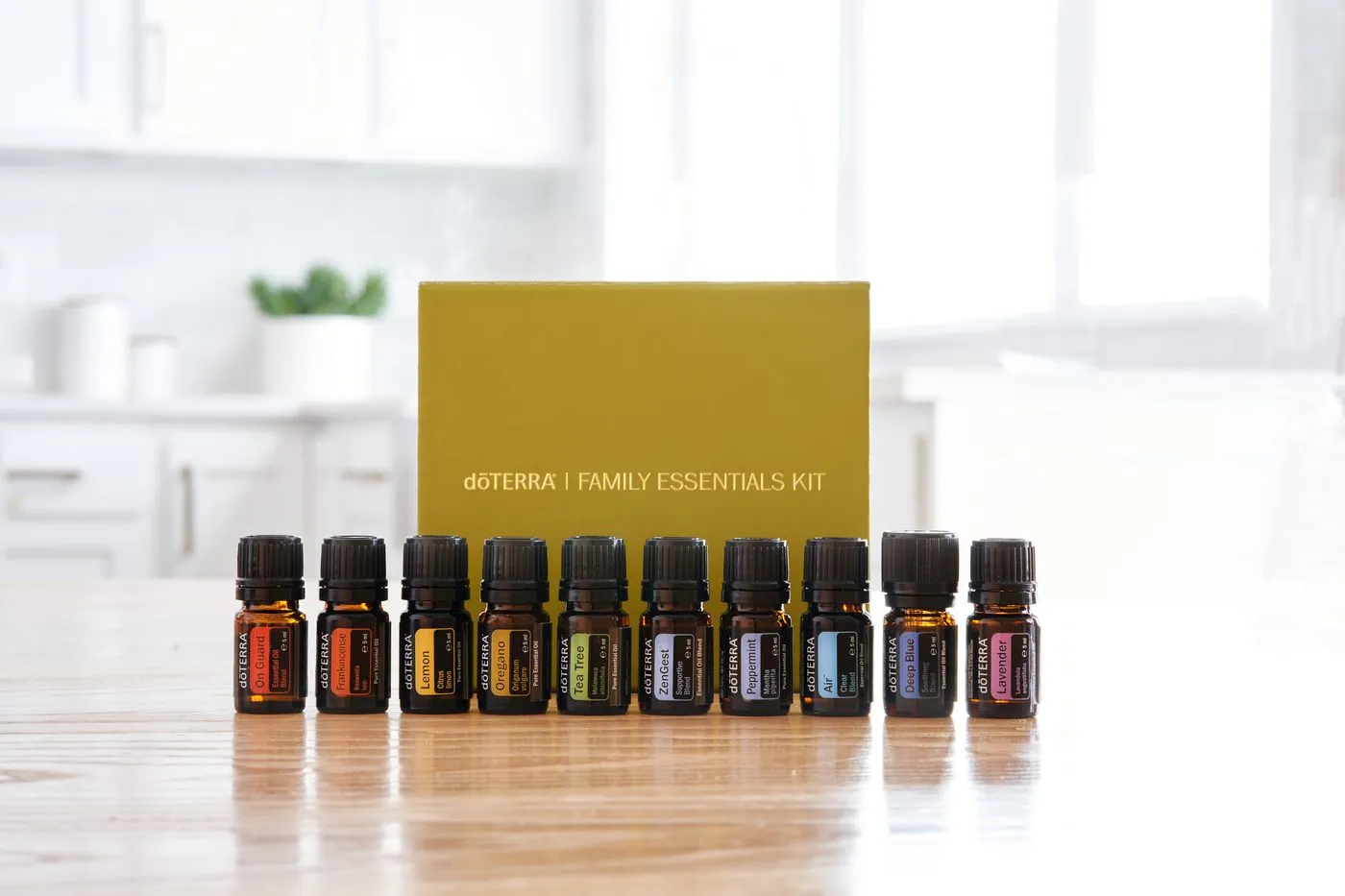
You don't need a huge set. Once you know your own preferences, it's easier to choose a starter kit.
A little glossary for beginners
- Essential oil — a concentrated extract of volatile compounds from a plant (e.g. steam distillation or cold-pressing citrus peel).
- Carrier oil — a plant fat in which an essential oil is diluted (e.g. jojoba, almond, fractionated coconut).
- Diffuser — a device that disperses an oil into the air.
- Patch test — checking how your skin reacts to a diluted mix.
- Photosensitivity — increased skin sensitivity to UV after contact with some oils (especially citrus).
- Botanical name — the Latin name of the species; it lets you tell, for example, true lavender from lavandin.
The first 7 days
- Day 1: smell the first oil from cupped hands (from a few centimetres away). Note your impressions.
- Day 2: diffuser, 3 drops, 30 minutes.
- Days 3–4: a second oil, same rule.
- Day 5: compare which scent suits which time of day.
- Days 6–7: build a small ritual, e.g. an evening or morning one.
How many drops? A quick cheat sheet
| Use | Roughly |
|---|---|
| Diffuser (a room) | 3–5 drops, 30–60 minutes, then a break |
| Breath from cupped hands | 1 drop |
| Skin | diluted to 1–2% (1–2 drops per 5 ml of carrier) |
Budget and shopping plan
- Buy a diffuser and one oil you truly like.
- Use it for two weeks and note your impressions.
- Add a second and third oil for specific situations (morning, work, evening).
- Only then think about a set — if you need one at all.
Don't buy “just in case”, and don't be talked into buying under time pressure. A sensible offer will survive a few days of thought.
Common beginner mistakes
- Buying a huge set — easier to get lost and harder to judge what works.
- Too many drops — the scent should be barely noticeable.
- Undiluted oil on the skin.
- No patch test.
- A diffuser all night, especially in a child's or pet's room.
- Oils in drinking water — not recommended.
- Believing miracle promises — a scent is an addition to healthy habits, not a cure.
Myths about aromatherapy for beginners
- “You have to know dozens of oils.” Two or three you really know are enough.
- “Aromatherapy is always treatment.” For most people it's simply a pleasant, mindful habit.
- “If it's in a shop, it must be safe.” No — check the label and usage rules.
Safety in a nutshell
Aromatically — a little, with breaks. On the skin — diluted and after a patch test. By mouth — no. In pregnancy, illness, with medication, with children and with pets — ask a specialist. Full rules: how to use essential oils safely.
How to choose products
Look at the botanical name, origin, information about batch testing and an honest description (no promises of cure). How dōTERRA's CPTG certification works and what it means in practice: what makes CPTG different.
What next
If you want to start properly, download the free e-book “Getting started with essential oils” — go to the e-book page. You can also browse the oil guides or write to us.